
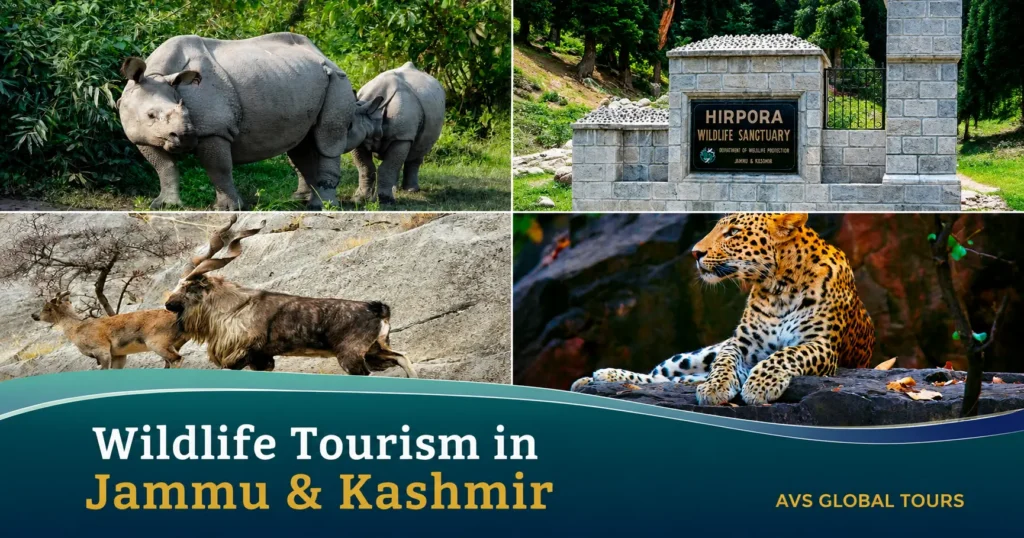
When most people plan a Kashmir trip, they think of houseboats, gardens, and snow-capped peaks. But tucked away in the same valleys and mountains is a side of Jammu & Kashmir that very few tourists ever explore — its wildlife. From the critically endangered Hangul deer found nowhere else on Earth to elusive snow leopards prowling the high-altitude ranges, J&K’s national parks and sanctuaries offer one of the most unique wildlife experiences in India.
If you’re someone who wants your Kashmir trip to go beyond the usual sightseeing, here’s a complete guide to the region’s best wildlife destinations. Opening seasons, permits and access can change, so check with the J&K Wildlife Protection Department before you plan.
Why Jammu & Kashmir Is a Wildlife Hotspot
J&K’s geography ranges from riverine forests and alpine meadows to bare rocky slopes above 14,000 feet — and this variety is exactly why the region supports such a rich mix of species. Many of the animals found here, like the Hangul (Kashmir stag), exist only in this part of the Himalayas and are found nowhere else in the world. This makes wildlife tourism in the region not just an adventure, but also an important part of conservation awareness.
Dachigam National Park — Home of the Hangul
Just 22 kilometres from Srinagar, Dachigam National Park is the most iconic wildlife destination in the valley. The name itself comes from “Dachi-gam,” meaning “Ten Villages” — a reference to the ten villages that were relocated when the reserve was created between 1910 and 1934. Spread across 140 square kilometres, Dachigam forms almost half of the catchment area for the Dal Lake.
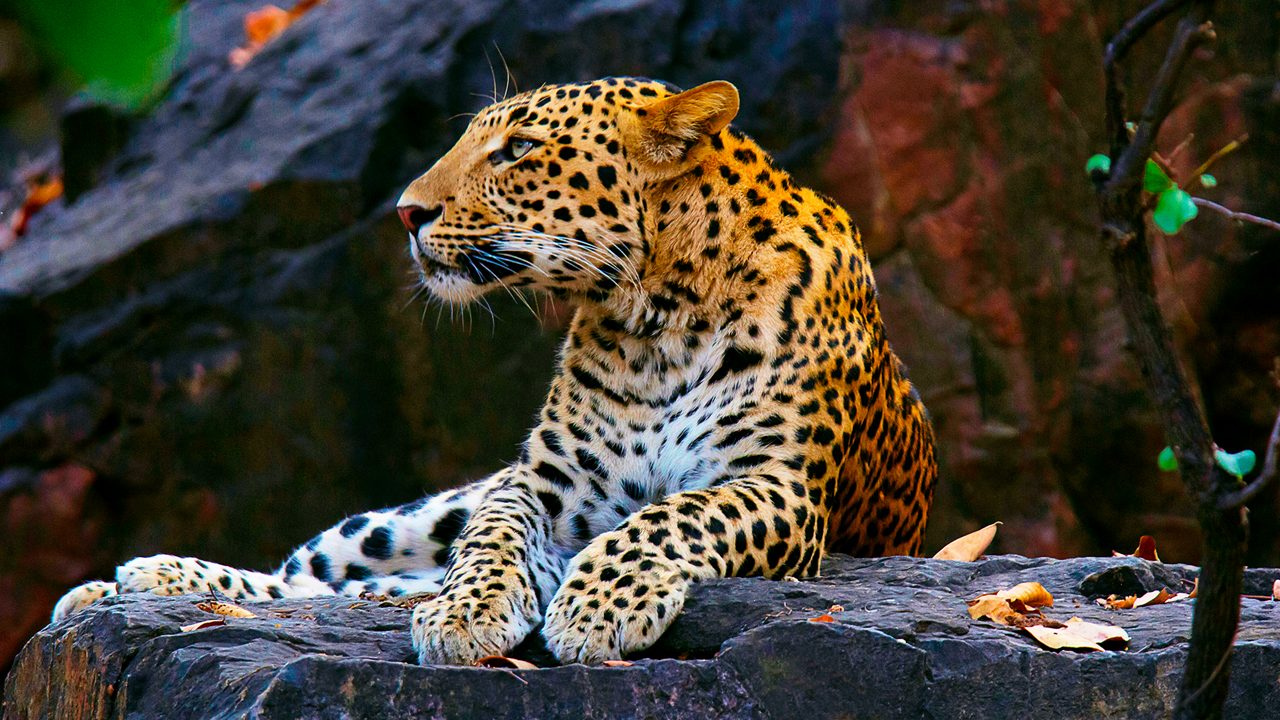
This is the best place in the world to spot the Hangul, the most endangered species of red deer on the planet. Along with leopards, jackals, and the Himalayan grey langur, the park is also home to beautiful bird species like the Monal pheasant and black bulbuls.
Best time to visit: April to August
Kishtwar High Altitude National Park — Snow Leopard Country
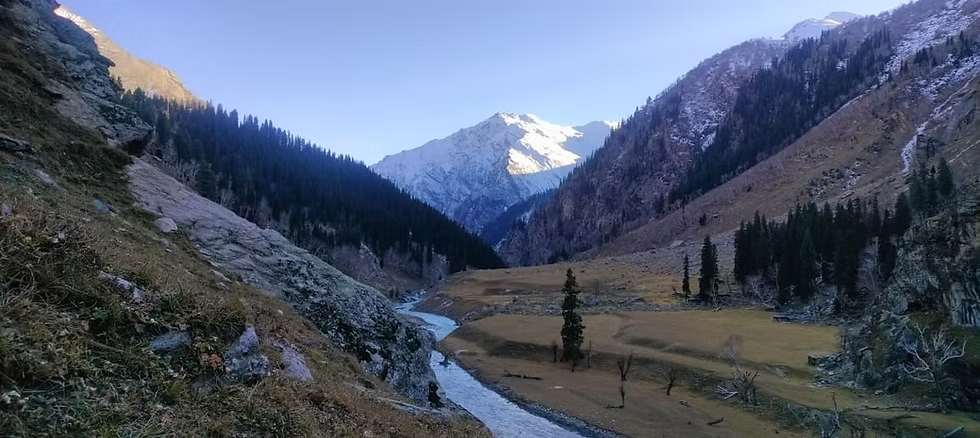
For travellers chasing high-altitude wilderness, Kishtwar High Altitude National Park in the Jammu region is unmatched. With elevations ranging from 1,700 to 4,800 metres, this park is one of the few places in India where you have a genuine chance of spotting the elusive snow leopard, along with the Himalayan Tahr and the Hangul.
Birdwatchers will also find plenty to see here, including the bearded vulture and griffon vulture soaring over the peaks.
Best time to visit: September to May
Gulmarg Biosphere Reserve — Beyond the Ski Slopes
Most people know Gulmarg only for its snow and gondola rides, but the Gulmarg Biosphere Reserve, just 48 km southwest of Srinagar, is a serious wildlife destination in its own right. It’s home to the musk deer, Hangul, brown bear, and a wide variety of birdlife, making it a rewarding stop for anyone combining adventure tourism with wildlife spotting.
Overa-Aru Wildlife Sanctuary — A Trekker’s Wildlife Trail
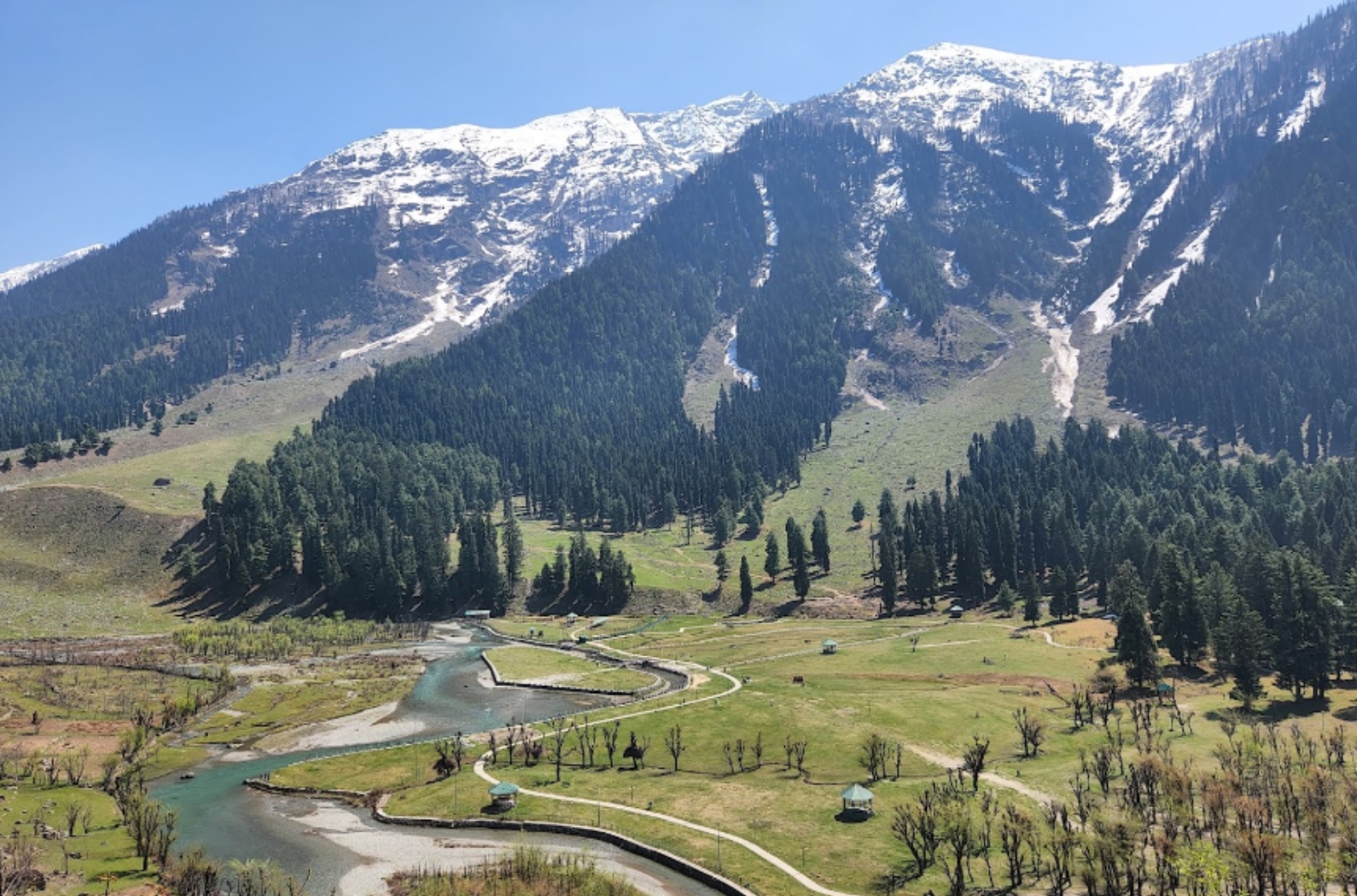
Located near Pahalgam, Overa-Aru Wildlife Sanctuary was originally a royal game reserve, and its landscape — carved by the River Lidder and covered in dense conifer forest — is best explored on foot. Trekking here gives you a real chance of spotting the Hangul, musk deer, and the striking western tragopan, along with a strong population of Himalayan bird species. Access around Pahalgam changed after April 2025, so confirm current rules locally.
Best time to visit: March to May for birds, September to March for other wildlife
Hirpora Wildlife Sanctuary — A Birdwatcher’s Paradise
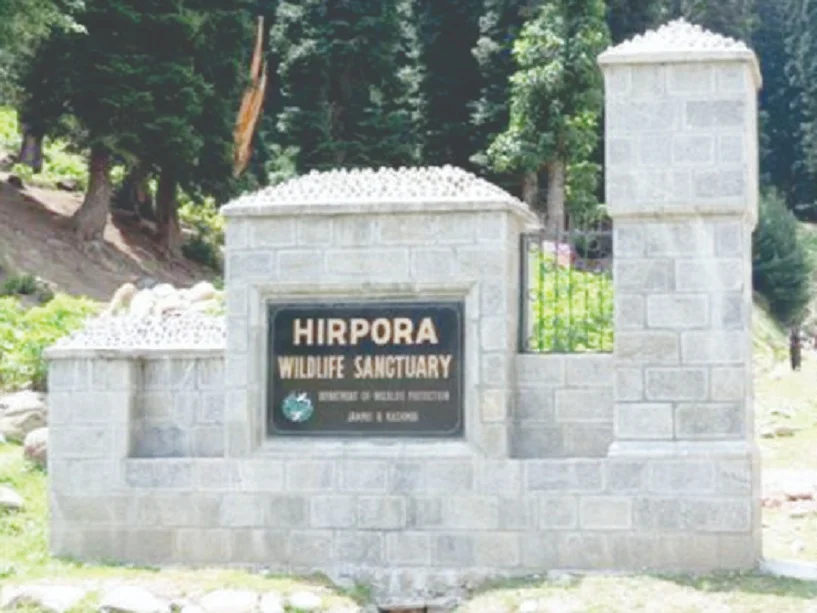
With over 130 recorded bird species, Hirpora Wildlife Sanctuary is one of the richest birdwatching spots in the region. Its mixed coniferous forests and alpine pastures are also home to the Himalayan brown bear, Tibetan wolf, and Himalayan palm civet.
Best time to visit: October to March
Kazinag National Park — For the Serious Wildlife Enthusiast
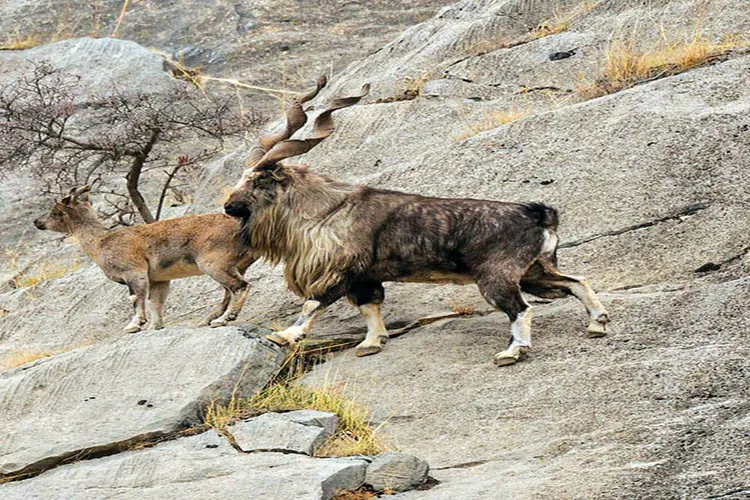
Located on the banks of the Jhelum River, Kazinag National Park is home to rare wildlife including the markhor and Himalayan musk deer. It’s less commercially explored than Dachigam, making it a great option for travellers who prefer a quieter, more offbeat wildlife experience.
Best time to visit: October to April
Other Notable Wildlife Areas
Beyond these highlights, the region has several other sanctuaries worth knowing about — Jasrota Wildlife Sanctuary (known for Cheetal deer near the Ujh river), Nandini Wildlife Sanctuary and Ram Nagar Wildlife Sanctuary near Jammu city (both good for pheasant and bird sightings), Surinsar-Mansar Wildlife Sanctuary (set around two scenic lakes), and, in neighbouring Ladakh, the remote Hemis High Altitude National Park, one of the best places in the world for snow leopard tracking expeditions.
Planning Your Wildlife Trip to Jammu & Kashmir
Wildlife tourism here isn’t a one-day add-on — most of these parks are best experienced with proper planning, correct seasonal timing, and local guides who know the terrain. Whether you’re hoping to spot the Hangul in Dachigam or trek through Overa-Aru’s forest trails, timing your visit right makes all the difference between a good trip and an unforgettable one.
At AVS Global Tours, we help you plan wildlife itineraries that match the right season, the right park, and the right level of adventure — from easy day trips to Dachigam to multi-day treks in Kishtwar and Kazinag.
Ready to explore the wild side of Kashmir? Get in touch with AVS Global Tours to plan your wildlife tour package. Send an enquiry or explore our packages.
Which is the best national park for wildlife in Kashmir?
Dachigam National Park, just 22 km from Srinagar, is the most popular choice and the best-known place to see the endangered Hangul (Kashmir stag) in its natural habitat.
What is the best time to visit for wildlife spotting in J&K?
It depends on the park and species. Dachigam is best visited between April and August, while high-altitude parks like Kishtwar are better explored from September to May when snow leopard sightings are more likely.
Can I spot a snow leopard in Jammu and Kashmir?
Yes, though sightings aren’t guaranteed. Kishtwar High Altitude National Park and Hemis High Altitude National Park (in Ladakh) offer the best chances, especially with an experienced local guide during winter months.
Do I need special permits to visit wildlife sanctuaries in Kashmir?
Most parks like Dachigam and Overa-Aru don’t require special permits for Indian tourists, but high-altitude and border-adjacent parks may need permits or forest department clearance. It’s best to check current requirements or let a local tour operator handle it for you.
Pingback: Kashmir Summer Adventure Activities 2026 | AVS Global Tours
Pingback: The Untold Stories of Kashmir: History and Heritage | AVS Tours